The Rising: Escape the Dark
Accessibility-first interactive drama for Sky Live
Client: Sky
Programme: XR Stories (University of York)
In a sentence
Working with Sky and XR Stories, we built an accessibility-first interactive drama prototype for Sky Live that uses spatial audio navigation, subtitles and directional cues, and camera-based body tracking — grounded in virtual production assets from The Rising.
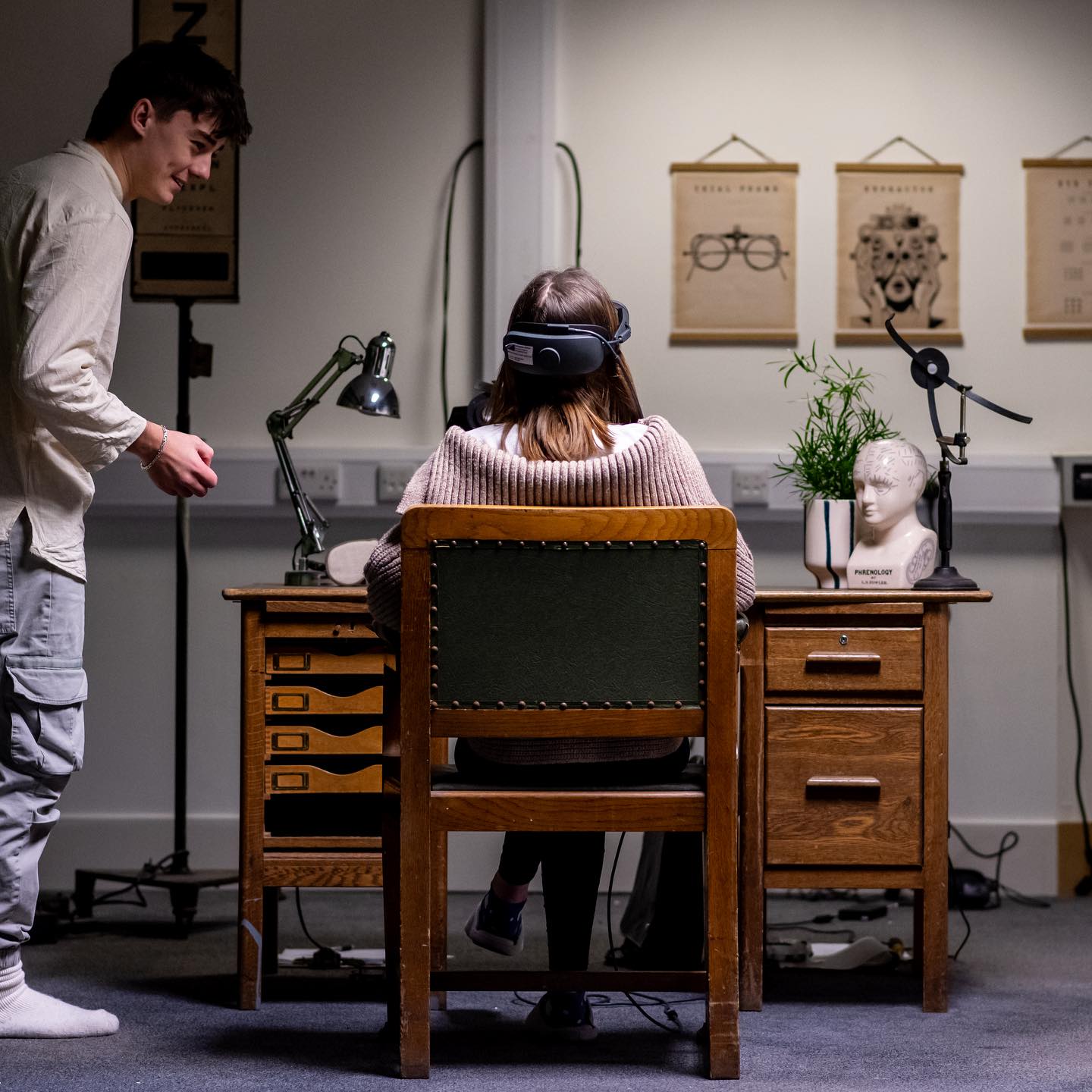
The Rising: Escape the Dark is an R&D project exploring how immersive interaction could sit naturally in a living-room, TV-first context. Designed to place viewers inside the narrative world of The Rising, the experience allows participants to support the story through movement, exploration, and sound. Accessibility was treated as a creative driver rather than a constraint — resulting in clearer navigation, stronger narrative cues, and deeper immersion for all audiences.
Collaboration
Created through a collaborative process between Reflex Arc and Sky, with funding and research support from XR Stories at the University of York. Sky supported the prototype with access to Sky Live technology, virtual production assets, scripts, audio, and other production materials from The Rising.
What is Sky Live?
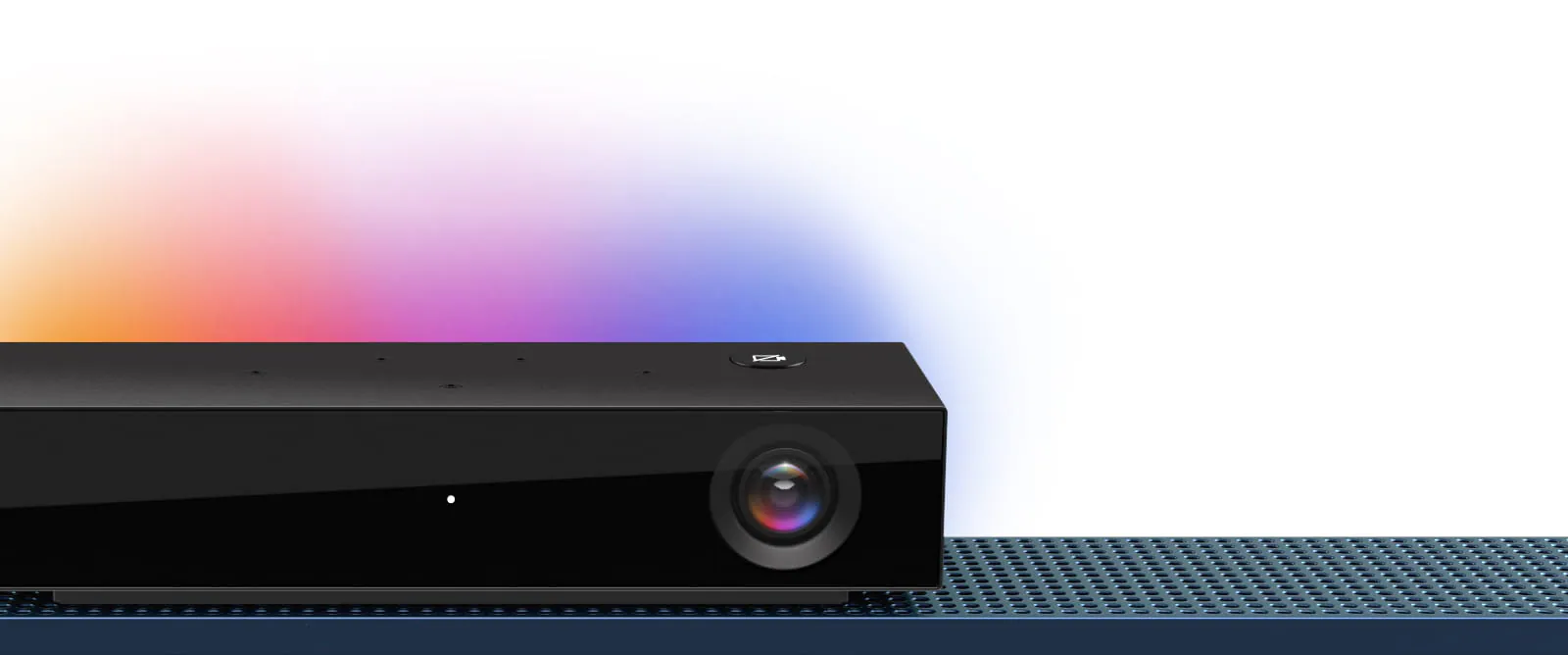
Sky Live is a compact camera and sensor device that sits on top of the Sky Glass television. It enables new forms of interaction and participation through body tracking and gesture recognition, opening up possibilities across entertainment, wellbeing, fitness, social viewing experiences, and gaming.
The concept
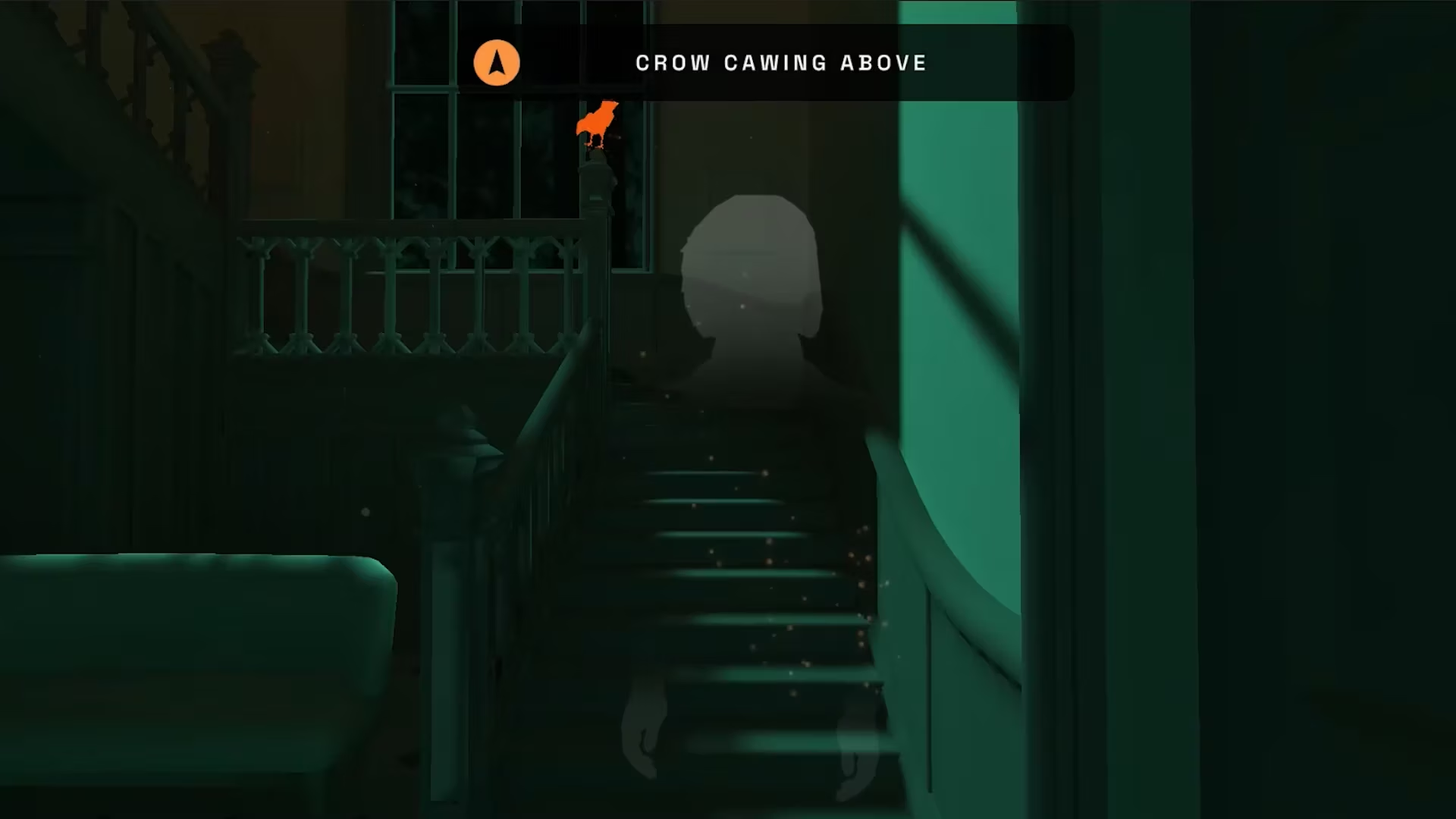
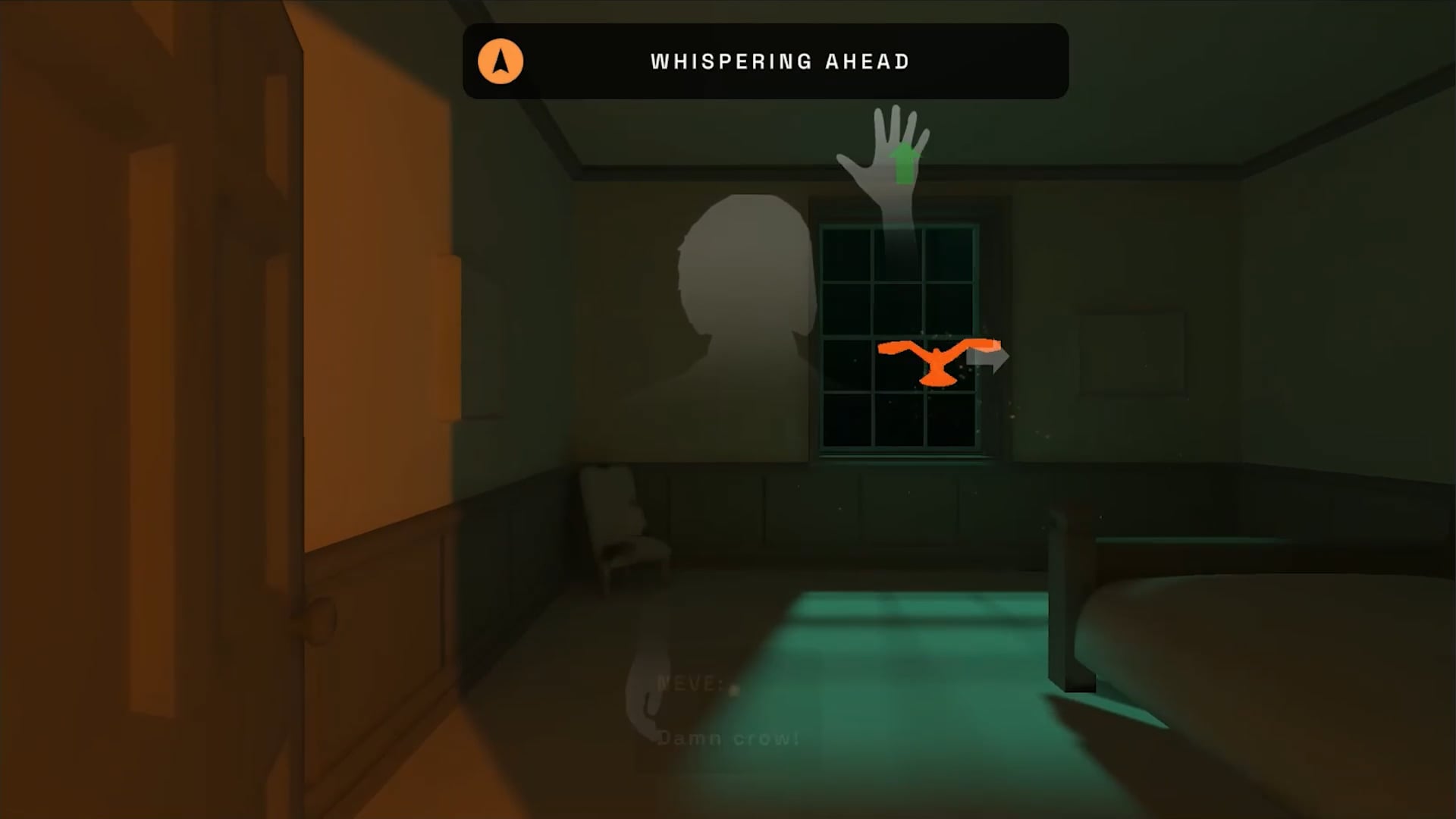
Set around Episode 4 of the series, the demo follows Neve — a young woman returned from the dead to solve her own murder. Participants help her locate the source of unsettling sounds within Keaton Hall. By identifying and eliminating distractions, such as a crow whose audio and visual cues guide navigation, players directly support the unfolding story, building tension, atmosphere, and character.
Accessible first. Designed for everyone
From the outset, Escape the Dark was designed as an accessible-first experience. While initially focused on the needs of blind and partially sighted audiences and deaf and hard-of-hearing participants, we quickly found that inclusive design principles strengthened the experience for everyone — resulting in clearer navigation, stronger narrative cues, and deeper immersion.
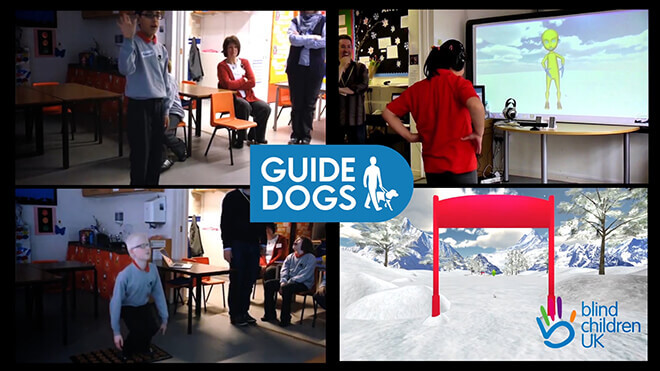
It builds on more than a decade of accessible work: spatial-audio games for blind children with Guide Dogs in The Nepalese Necklace, a blind cricket simulator, sign-language games including Performing Hands, NDCS Family Sign Language and the BAFTA-nominated Makaton signing game, and accessibility-first VR training for HSBC.
For blind and partially sighted audiences
We created 3D environments built around exploration, discovery, and independent navigation, using sound as the primary interface. Spatialised 3D audio anchored to objects and points of interest, audio "beacons," and layered soundscapes communicate space, distance, and progression — enabling blind and partially sighted participants to confidently explore the environment, locate interactive elements, and advance the narrative.
The experience was developed and refined with expert input from Matt Brown, a registered blind sound designer with a background in games, ensuring the design was both practical and enjoyable.
For deaf and hard-of-hearing audiences
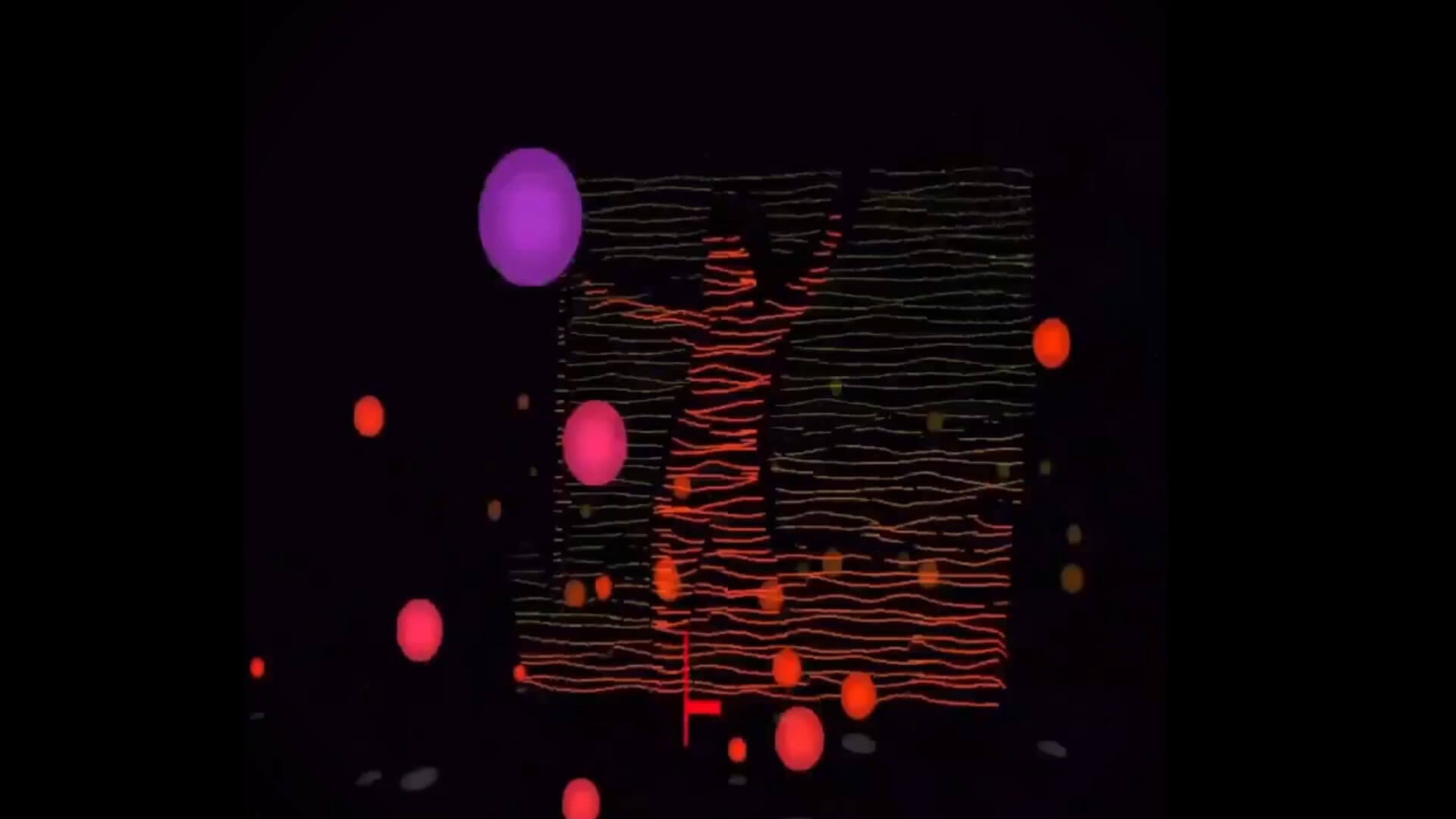
To ensure full accessibility for deaf and hard-of-hearing audiences, we introduced complementary visual systems — including clear dialogue subtitles and a bespoke directional cue system that visualises key spatial audio sources. These visual cues mirror the audio-driven gameplay mechanics, ensuring all participants receive the same narrative information, agency, and sense of immersion.
Sense the drama: embodied interaction
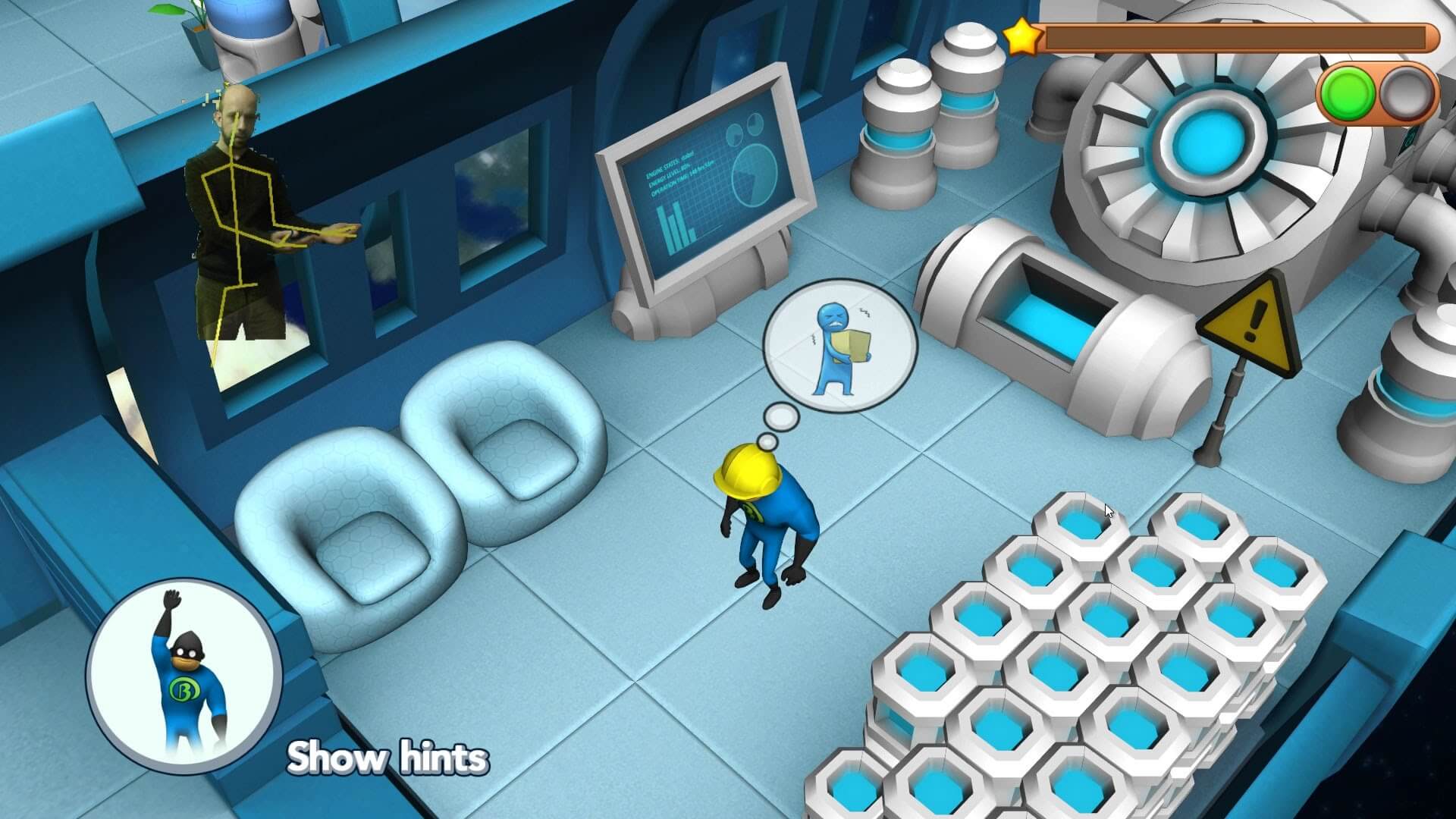
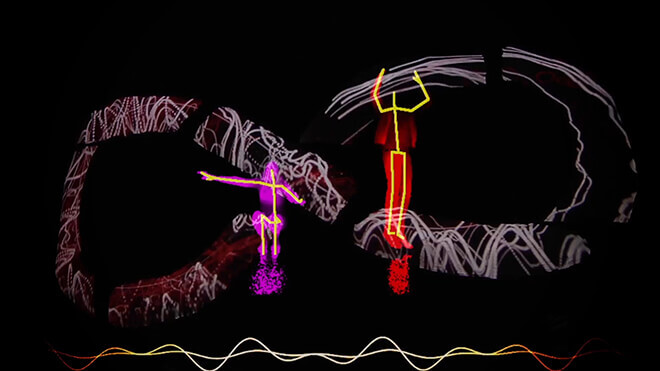
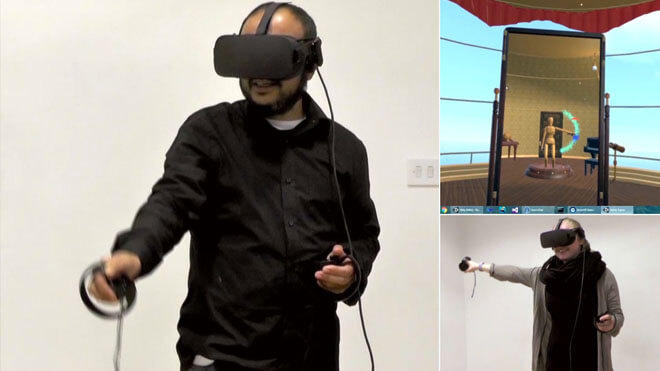
Beyond accessibility, Escape the Dark showcased our expertise in embodied interaction and motion-based design. Using Sky Live's camera and sensors, the experience captures and interprets real-time body movement. Drawing on years of experience working with depth sensors and motion-tracking systems, we combined skeletal body tracking and gesture-based interaction with spatial audio and real-time visuals to create a multisensory experience that physically connects participants to the unfolding drama.
Bridging broadcast and virtual production
Maintaining authenticity to The Rising was central to the project's success. To ensure a seamless connection between the interactive experience and the broadcast series, we aligned the interactive directly with the episode's storyline, integrating virtual production assets created in Unreal Engine and building an asset pipeline incorporating 3D photogrammetry supplied by Sky's Virtual Production team. We also used the original sound effects, score, and soundtrack from the series.
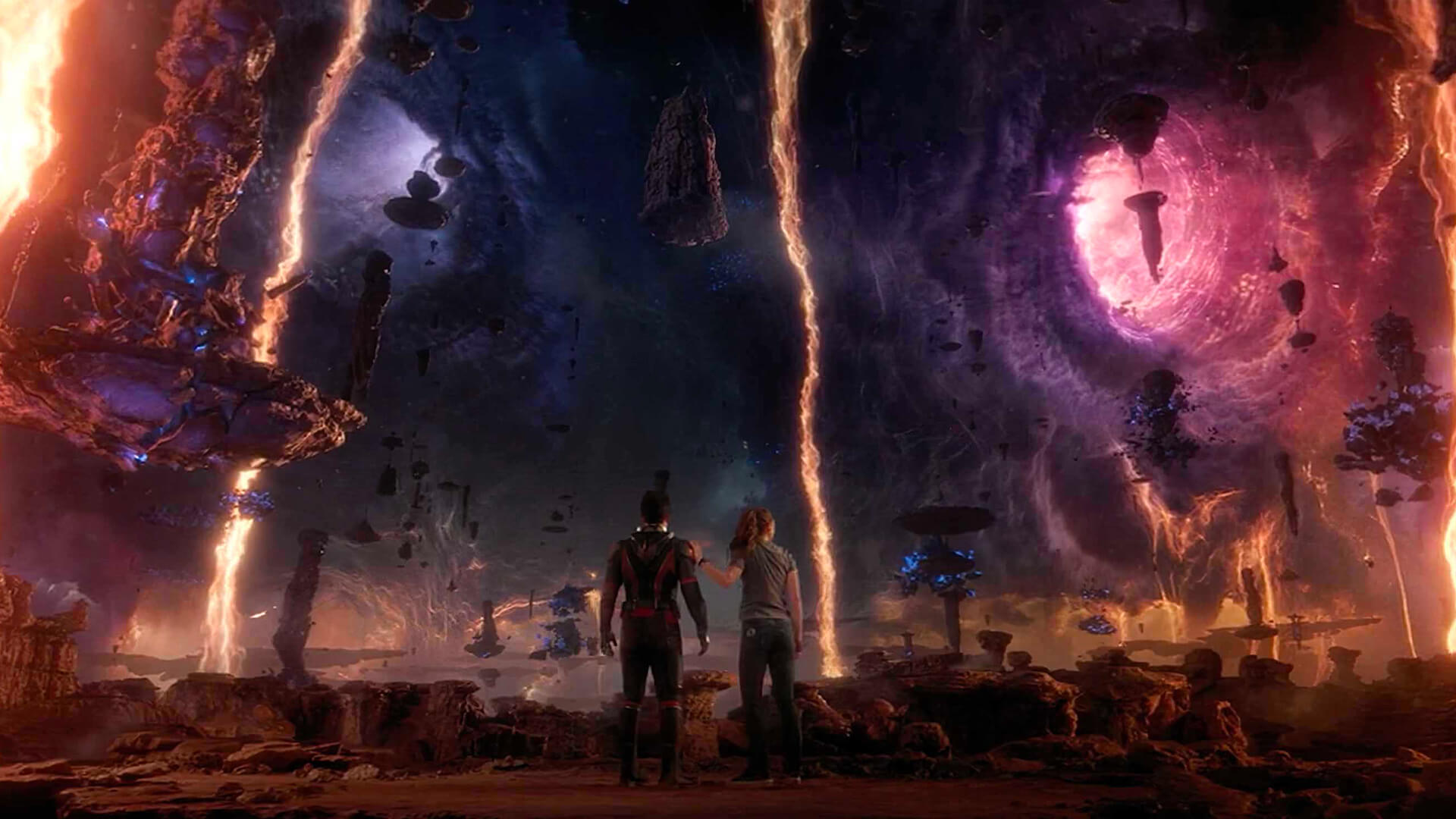
This approach allowed us to make interactive use of assets created for virtual production — an area informed by prior work within Virtual Art Departments on major productions, including Ant-Man & The Wasp: Quantumania.
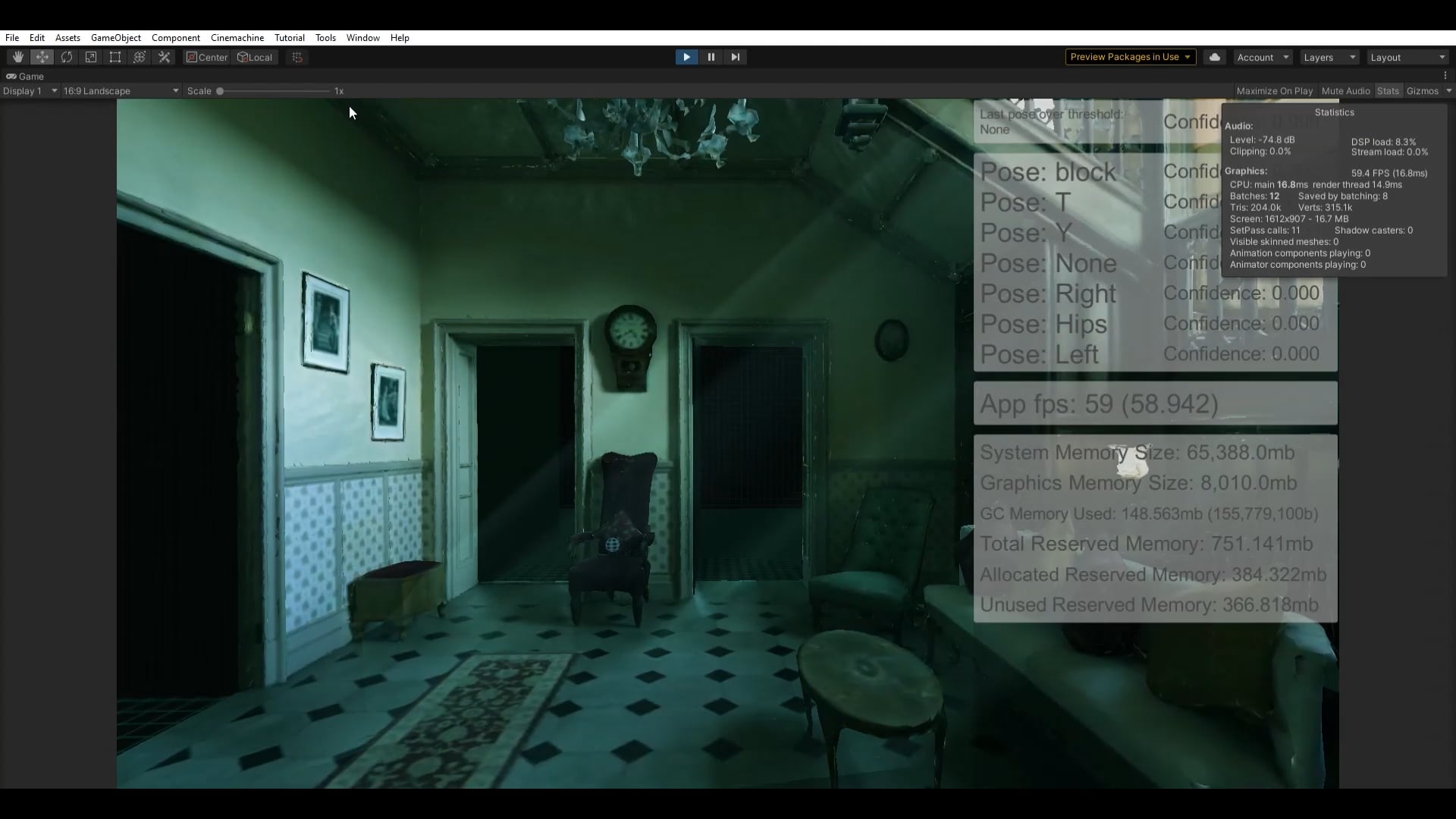
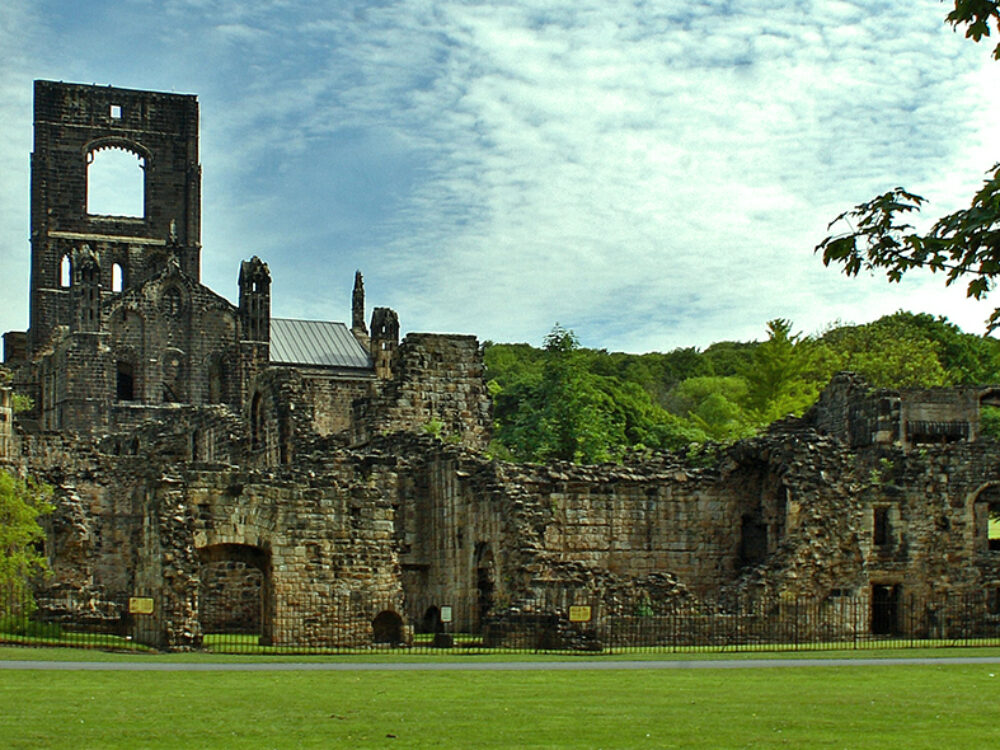
Example photogrammetry assets utilised, direct from the virtual production process used to make the series.
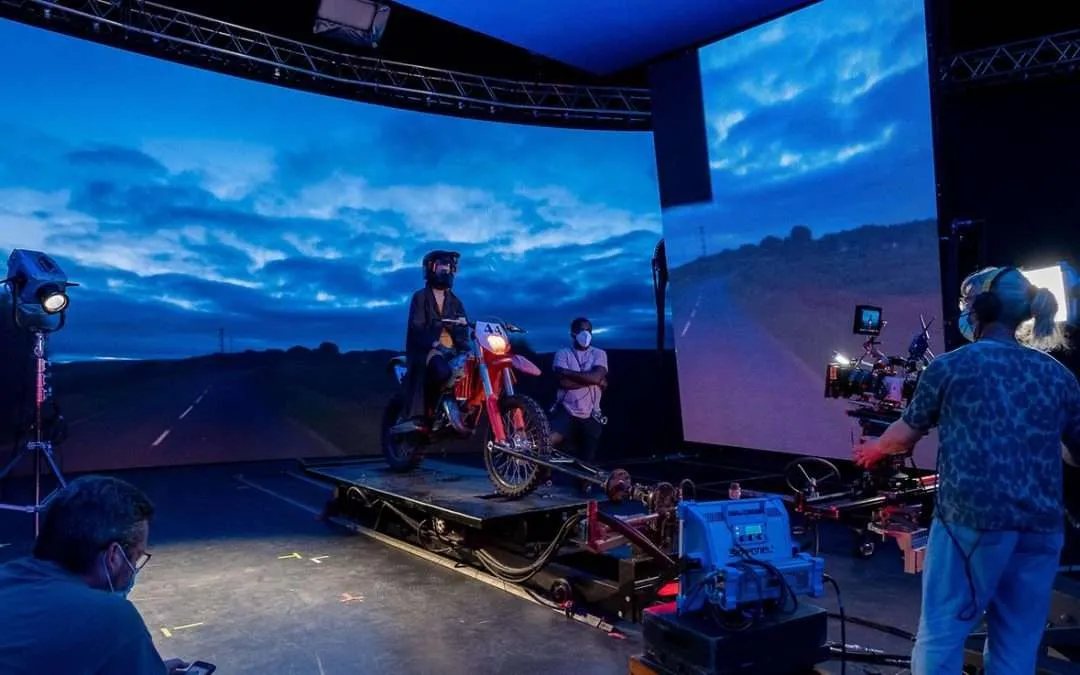
The Rising was made using virtual production techniques (ARRI Stage, London).
Ethical use of AI techniques
The Sky Live camera uses machine-learning techniques to recognise skeletal joints and gestures. We also explored generative AI for the narrator's voice — with Matt Brown, our sound designer, choosing to use AI to replicate his own voice for the prototype. This approach kept creative control with the performer while allowing rapid iteration during development.
Outcomes and impact
Feedback from Sky
"Working with Reflex Arc as part of the XR Stories R&D challenge for Sky allowed us to explore the accessibility potential of our emerging technology in a compelling way. Their prototype, Escape the Dark, demonstrated how immersive, audio-led experiences and inclusive design can open up interactive storytelling to sighted, blind and partially sighted audiences. The project provided valuable insight into how accessibility-first thinking can inform future product development at Sky.
Richard and the team were incredibly knowledgeable, clearly top of their field, and went above and beyond to collaborate with us and make sure we were included every step of the way. I really hope we get to work together again soon."
— Leon Bennett, Research & Innovation, Sky
The prototype was extensively tested internally at Sky and with visually impaired participants, receiving consistently strong and positive feedback. The project demonstrates the creative and commercial potential of Sky Live as a platform for interactive drama, while showing the value of accessible-first design in enhancing immersion for all audiences.
We built Escape the Dark on a small R&D budget – nothing like the resources behind the big-studio games in the questions below – and it still drew consistently strong feedback in testing at Sky.
It also demonstrates our approach to applying research insights to practical, broadcast-quality outcomes — helping to connect experimentation with production-ready work. The project reveals new opportunities for repurposing virtual production assets as interactive experiences, offering a useful starting point for exploring future interactive television formats and more accessible immersive content.
See it in action
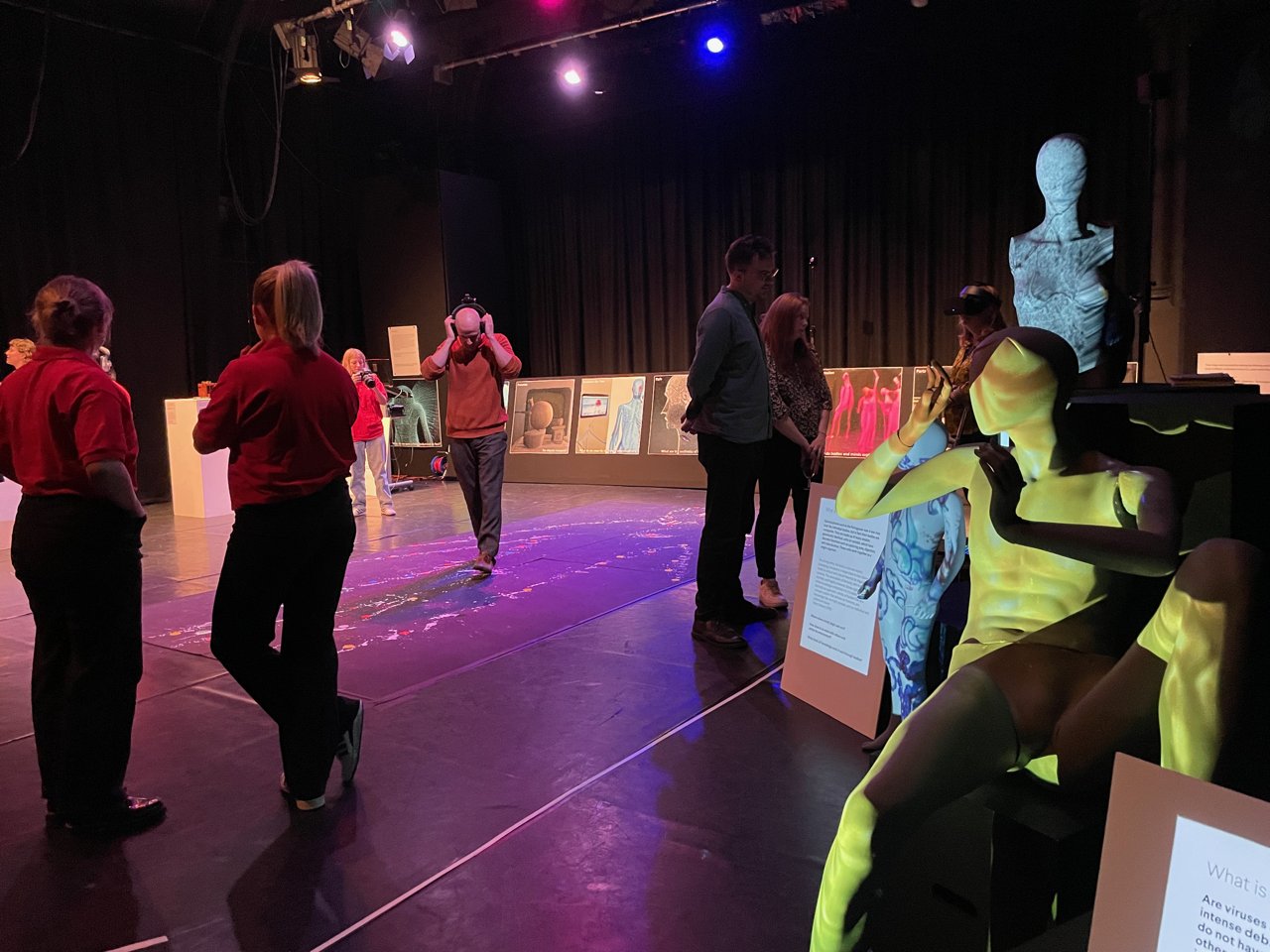
This video documents the development process and demonstrates the prototype in use.
Questions people ask
Can blind people play video games?
Yes. Some games are built for blind players from the ground up, with sound as the whole interface – such as A Blind Legend and The Vale: Shadow of the Crown. Mainstream games are catching up. The Last of Us Part II has more than 60 accessibility settings, and Sony describes it as the first AAA game a visually impaired player can play start to finish. Forza Motorsport added Blind Driving Assists, built with blind accessibility consultant Brandon Cole. And most blind and partially sighted people have some sight – RNIB says 93% can see something – so high-contrast and low-vision options matter as well as audio. Escape the Dark was our answer for TV: an interactive drama designed from the start to be playable by blind and partially sighted people as well as sighted players. In Sky’s words, it “demonstrated how immersive, audio-led experiences and inclusive design can open up interactive storytelling to sighted, blind and partially sighted audiences.”
How do blind people play video games?
Mostly through sound. Screen readers and text-to-speech read menus aloud, spatial audio places sounds in the world so you can tell where things are, and audio cues stand in for what’s on screen. In Escape the Dark, sound is the main interface: audio “beacons” anchored to objects and points of interest, layered soundscapes that convey space and distance, and a crow whose calls help guide you through Keaton Hall. Matt Brown, a registered blind sound designer with a background in games, helped shape the design, and the prototype was tested internally at Sky and with visually impaired participants. It follows earlier audio-led work: a blind cricket simulator using 3D sound, and The Nepalese Necklace, spatial-audio games for blind children made for Guide Dogs.
How do you make a game work for deaf and hard-of-hearing players?
Make sure nothing important is carried by sound alone. The Game Accessibility Guidelines start with subtitles for all important speech, then captions or visuals for significant sounds – including the direction they come from. Fortnite has a setting that visualises sound effects on screen, and Forza Horizon 5 added British Sign Language and ASL to its cinematics. Escape the Dark is built around sound, so we paired the key audio cues with visual ones: clear dialogue subtitles, and a directional cue system that shows where important sounds are coming from. Our sign-language work goes back further, to Performing Hands (BSL games with 3D signing avatars) and games for the National Deaf Children’s Society.
Acknowledgements
This project was funded by XR Stories at the University of York. Special thanks to Melodie Ash and Lauren Ward at XR Stories for their support throughout, and to the Sky team for their collaboration, technical support, and access to Sky Live technology, virtual production assets, scripts, audio, and production materials from The Rising. The Reflex Arc team was led by Richard England and Richard Hilson, with Joe P, Matt Brown, George Garton, and Ilona Wheldale England.
Building something that has to work for every audience?
Everything we did for Sky here started from the audiences other prototypes leave out. If you're making a show, a service or an experience that has to be right for blind, deaf and disabled users as well as everyone else – from the start, not as a patch – that's what we do. Tell us where you are with it.